
Commercial Property in Gurgaon: Past Growth & Future Outlook 2025
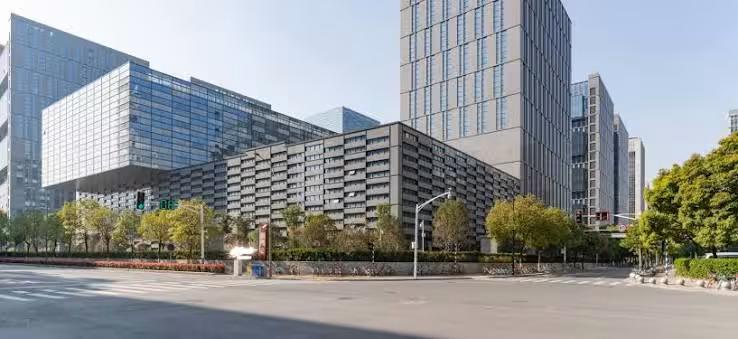
Gurgaon’s commercial real estate story is one of the most remarkable urban transformations in modern India. In just over two decades, a city once known for its agricultural land has become home to the Indian headquarters of over 250 Fortune 500 companies, 60+ million sq ft of Grade-A office space, and a commercial real estate market that consistently outperforms every other micro-market in Delhi NCR.
This deep-dive covers everything you need to know: the historical milestones that built Gurgaon’s commercial dominance, the key micro-markets driving demand today, current pricing benchmarks, vacancy trends, and a data-backed outlook for the 2025–2030 period. Whether you are a corporate occupier, an individual investor in commercial real estate, or a developer evaluating new projects, this guide gives you the full picture.
How Gurgaon Became Delhi's Commercial Capital (2000–2015)
The story begins in the 1990s when the Haryana government, under Chief Minister Bhajan Lal, made a pivotal decision: offer flexible land acquisition rules and tax incentives to attract corporate investment. DLF, which had been accumulating land in Gurgaon since the 1980s, was the primary beneficiary. The opening of DLF Cyber City in 2003 — a planned commercial district in Sector 24, DLF Phase 2 — changed everything.
Cyber City’s launch coincided with India’s IT outsourcing boom. Global companies like IBM, Microsoft, Google, Accenture, Sapient, and American Express needed large-format, Grade-A office campuses. Gurgaon, with its proximity to Indira Gandhi International Airport, wide arterial roads, and a relatively lower cost of land compared to South Mumbai or Bengaluru, was the natural choice.
- 2003: DLF Cyber City Phase 1 operational — first major corporate park in Delhi NCR
- 2007–08: NH-48 (then NH-8) expansion triggers Udyog Vihar and Golf Course Road development
- 2010: Rapid Metro Gurgaon announced — connects Cyber City to Delhi Metro at MG Road
- 2011–12: Golf Course Extension Road (GCRE) and Southern Peripheral Road (SPR) emerge as new commercial corridors
- 2013: DLF Cyber Hub opens — integrated dining, retail, and office hub becomes landmark destination
- 2015: Dwarka Expressway construction milestone — opens new commercial land bank in Sectors 68–115
By 2015, Gurgaon had over 35 million sq ft of Grade-A office stock and a vacancy rate below 20%. The city had established itself as the preferred destination for multinational corporations seeking a Delhi NCR base, outcompeting Noida, Greater Noida, and Delhi itself in terms of corporate prestige and infrastructure quality.
The Growth Decade 2015–2025: Numbers That Define the Market
The decade between 2015 and 2025 saw Gurgaon’s commercial market more than double in scale. According to JLL Research, Gurugram’s gross office leasing has surpassed 120 million sq ft cumulatively over the past 25 years, with the most significant acceleration happening post-2018.
| Year | Approx. Office Stock (sq ft) | Annual Net Absorption | Avg. Grade-A Rent (₹/sq ft/month) |
|---|---|---|---|
| 2015 | ~38 million | 5.5 million | ₹80–110 |
| 2017 | ~48 million | 7.2 million | ₹90–125 |
| 2019 | ~58 million | 8.8 million | ₹100–145 |
| 2021 | ~65 million | 4.1 million (COVID impact) | ₹90–130 |
| 2023 | ~90 million | 10.5 million | ₹115–165 |
| 2025 (est.) | ~115 million | 12–14 million (projected) | ₹130–200+ |
The COVID-19 pandemic (2020–21) created a temporary dip in net absorption, but Gurgaon’s recovery was sharper than any other Indian city. The return-to-office wave of 2022–23, combined with Global Capability Centre (GCC) expansion and the entry of new Fortune 500 occupiers, drove absorption to record highs by 2023.
Notably, GCCs now account for over 45% of new office leasing in Gurgaon — reflecting the city’s position as the preferred base for multinational companies building their India-based capability centres in engineering, analytics, finance, and AI.
Key Commercial Micro-Markets in Gurgaon
Gurgaon’s commercial market is not monolithic — it is a collection of distinct micro-markets, each with its own tenant profile, pricing, infrastructure maturity, and growth trajectory.
| Micro-Market | Key Locations | Primary Tenants | Grade-A Rent Range (2025) |
|---|---|---|---|
| DLF Cyber City | Sector 24, DLF Phase 2 | IT, BFSI, Consulting, GCCs | ₹160–200/sq ft/month |
| Golf Course Road | Sectors 42, 53, 54, 56 | Financial services, Law firms, Boutique offices | ₹120–160/sq ft/month |
| Golf Course Ext. Road | Sectors 58–66 | Startups, Mid-size IT, Co-working | ₹90–130/sq ft/month |
| NH-48 / Udyog Vihar | Phases 1–6 | Manufacturing HQs, Logistics, Retail brands | ₹75–110/sq ft/month |
| Dwarka Expressway | Sectors 68–115 | Emerging IT/ITES, Pharma, E-commerce | ₹60–100/sq ft/month |
| MG Road / IFFCO Chowk | Sushant Lok, Sector 29 | Retail, F&B, Healthcare, Banking | ₹80–140/sq ft/month |
DLF Cyber City remains the crown jewel — with 24/7 infrastructure, integrated retail and dining at CyberHub, Rapid Metro connectivity, and a prestige factor that commands a significant rent premium. Vacancy here consistently stays below 8%, even during broader market slowdowns.
Golf Course Extension Road is the fastest-growing corridor for 2025, driven by improving infrastructure, the Southern Peripheral Road connector, and a wave of new Grade-A supply targeting mid-size occupiers and co-working operators. Rental values here have appreciated 25–35% in the last three years.
Dwarka Expressway, fully operational since 2024, is the next commercial frontier. Several institutional developers including DLF, Godrej, and Signature Global have announced mixed-use commercial projects along this corridor. Land rates and rental values remain significantly lower than Cyber City, making it attractive for cost-conscious occupiers and early-stage investors.
Current Commercial Property Rates in Gurgaon 2025
Commercial property in Gurgaon is broadly categorised into Grade-A office space (institutional-grade buildings with LEED certification, centrally managed, full amenities), Grade-B office space (older buildings, independent floors), and retail/high-street commercial. Here is the current pricing landscape across categories and micro-markets.
| Category | Location | Sale Price (₹/sq ft) | Rental Yield (est.) |
|---|---|---|---|
| Grade-A Office (strata sale) | Cyber City / Golf Course Rd | ₹18,000–30,000 | 5–7% |
| Grade-A Office (strata sale) | Golf Course Ext. Rd | ₹10,000–18,000 | 6–8% |
| Grade-A Office (strata sale) | Dwarka Expressway | ₹7,000–12,000 | 7–9% |
| Grade-B / Independent Floor | MG Road / NH-48 | ₹6,000–10,000 | 5–7% |
| Retail / High Street Shop | Sector 29, Cyber Hub area | ₹25,000–60,000 | 4–6% |
| Pre-leased Investment Asset | Any Grade-A micro-market | ₹15,000–35,000 | 6–9% (locked in) |
Pre-leased commercial assets — properties already occupied by a corporate tenant with a 3–9 year lease in place — have become the most popular investment vehicle for HNI investors in Gurgaon. They offer predictable rental income from day one, typically with a 15% rent escalation clause every 3 years, and can be exited at a capital gain when the market appreciates.
Demand Drivers: What Keeps Gurgaon Commercial Growing
Gurgaon’s commercial market does not operate on sentiment alone. There are structural, long-term demand drivers that make this market fundamentally different from speculative markets.
- GCC Expansion: India hosts 1,700+ Global Capability Centres employing 1.9 million professionals. Gurgaon accounts for 18–22% of all new GCC leasing in India. This number is set to grow as companies like Wells Fargo, Google, Samsung, and Siemens expand their Gurgaon footprints.
- Airport Proximity: IGIA’s expansion (Terminal 2 operational, Terminal 3 upgrades) and the RRTS corridor strengthens Gurgaon’s position as the most accessible business hub in North India.
- Return-to-Office: Large financial and consulting firms have mandated 4–5 days in-office policies. This directly drives Grade-A office demand as companies right-size their real footprints upward.
- Startup Ecosystem: Gurgaon hosts 3,000+ startups, including unicorns like Zomato, Policybazaar, IndiaMart, and Delhivery. The co-working and flexible workspace segment is growing at 20%+ annually.
- Retail Resurgence: High-street retail, food & beverage, and experiential retail formats are driving commercial demand in areas like Sector 29, Cyber Hub, and emerging sectors along SPR.
- Data Centre Demand: With India’s data localisation requirements and cloud adoption surge, Gurgaon’s power infrastructure and connectivity make it a prime data centre location.
Future Outlook 2025–2030: What the Data Says
Several macro and micro indicators point to a sustained bull run for Gurgaon commercial real estate through 2030.
- New Supply Pipeline: Approximately 20–25 million sq ft of Grade-A office space is under construction or planned for delivery between 2025 and 2027 in Gurgaon, primarily on GCRE, Dwarka Expressway, and SPR.
- Rental Appreciation: Cyber City and Golf Course Road rents are expected to appreciate 8–12% annually through 2027, driven by constrained new supply in these established micro-markets.
- Vacancy Compression: Overall Grade-A vacancy in Gurgaon is expected to fall from ~18% in 2024 to 12–15% by end of 2026 as absorption outpaces new completions.
- RRTS Impact: The Delhi–Gurugram–SNB RRTS corridor will improve talent access from Delhi, Faridabad, and Rewari — directly increasing the labour catchment area for companies operating in Gurgaon.
- Mixed-Use Development: New commercial projects on GCRE and Dwarka Expressway are being developed as mixed-use zones with retail, hospitality, serviced apartments, and offices within the same complex, increasing their attractiveness for both occupiers and investors.
- Sustainability Premium: LEED Platinum and Green-certified buildings command 15–20% rental premiums and experience significantly lower vacancy. All new Grade-A projects are being designed to green standards.
| Indicator | 2024 (Current) | 2027 (Projected) | 2030 (Projected) |
|---|---|---|---|
| Total Grade-A Stock | ~100 million sq ft | ~130 million sq ft | ~160 million sq ft |
| Annual Net Absorption | ~11 million sq ft | ~14 million sq ft | ~16 million sq ft |
| Cyber City Avg. Rent | ₹165/sq ft/month | ₹195–210 | ₹240+ |
| GCRE Avg. Rent | ₹110/sq ft/month | ₹140–155 | ₹180+ |
| Grade-A Vacancy | ~17–18% | ~13–15% | ~10–12% |
The 2030 outlook is underpinned by India’s trajectory as a USD 7 trillion economy, with Gurgaon serving as the primary office and commercial headquarters hub for the NCR’s projected population of 60 million+. Infrastructure investments — the RRTS, NH-48 expressway upgrades, and the upcoming metro Phase 3 extensions — will further strengthen Gurgaon’s commercial dominance.
Should You Invest in Gurgaon Commercial Property?
Commercial real estate in Gurgaon offers returns that are structurally superior to most residential investments, but it requires a higher minimum ticket size and a clear understanding of the asset type.
- Pre-leased assets (₹1–5 Cr ticket): Best entry point for individual investors. Locked-in rental yields of 6–9%, quarterly rental income, 15% rent escalations, and potential capital appreciation on exit. Look for assets in Cyber City, Golf Course Road, or established GCRE buildings with AAA corporate tenants.
- Strata-sale office units (₹50L–2 Cr): Independent floors or units in Grade-A buildings, available on GCRE and Dwarka Expressway. Higher yields (7–9%) with slightly higher management effort. Ideal for investors who want exposure to commercial real estate at a lower absolute investment.
- REITs (₹10,000+): Mindspace Business Parks REIT and Embassy Office Parks REIT have significant Gurgaon exposure. Best option for retail investors seeking commercial real estate returns with daily liquidity. Distributable income yields of 7–8% annually.
- Under-construction commercial (₹80L+): Highest risk, highest reward. Projects on GCRE and Dwarka Expressway from developers like DLF, Godrej, Signature Global, and Vatika are available at pre-launch prices. 3–4 year horizon for completion and leasing.
At Acredge, we specialise in helping investors identify, evaluate, and transact on commercial real estate opportunities across Gurgaon. Our team has direct access to pre-leased inventory, institutional-grade deal flow, and due diligence capabilities that make navigating this market significantly easier. Connect with our commercial property team for a personalised consultation.
FAQs
Follow Acredge on Google Search
Get our real estate insights directly in your search results